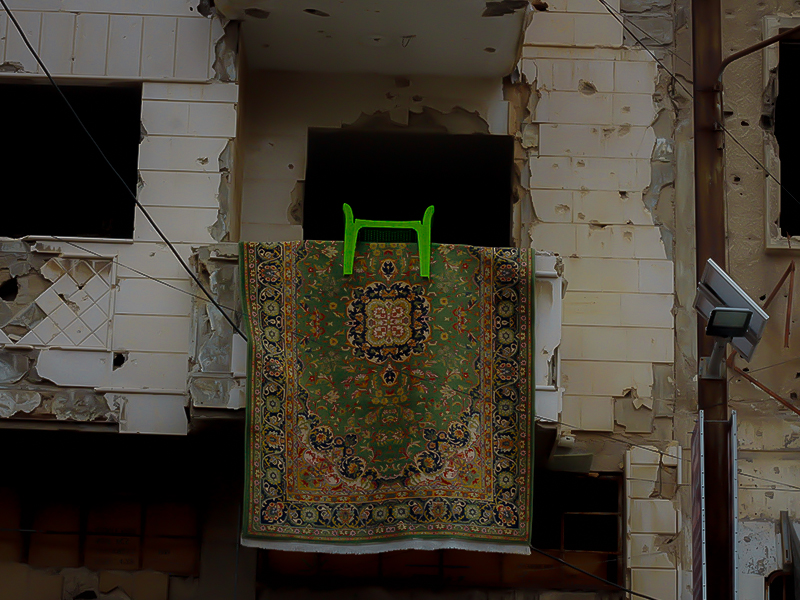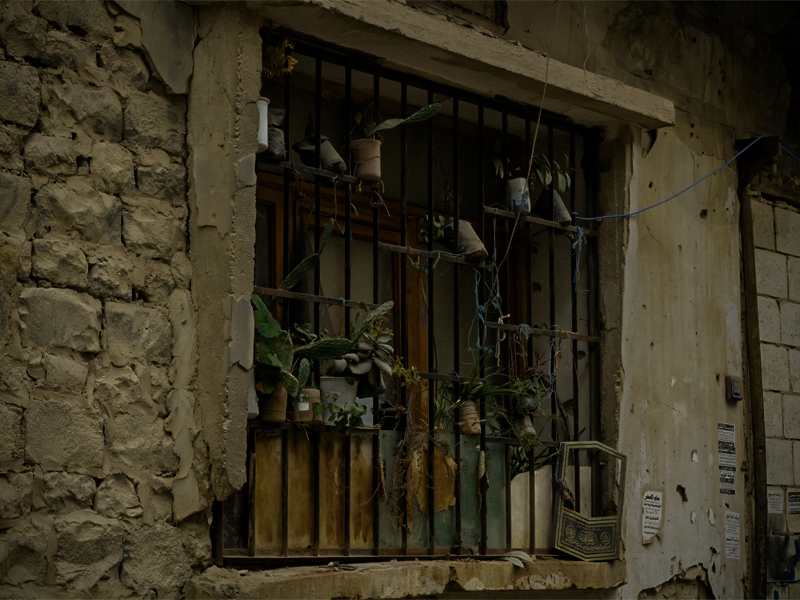




Homs Slowly Comes Back to Life After Years of Devastation
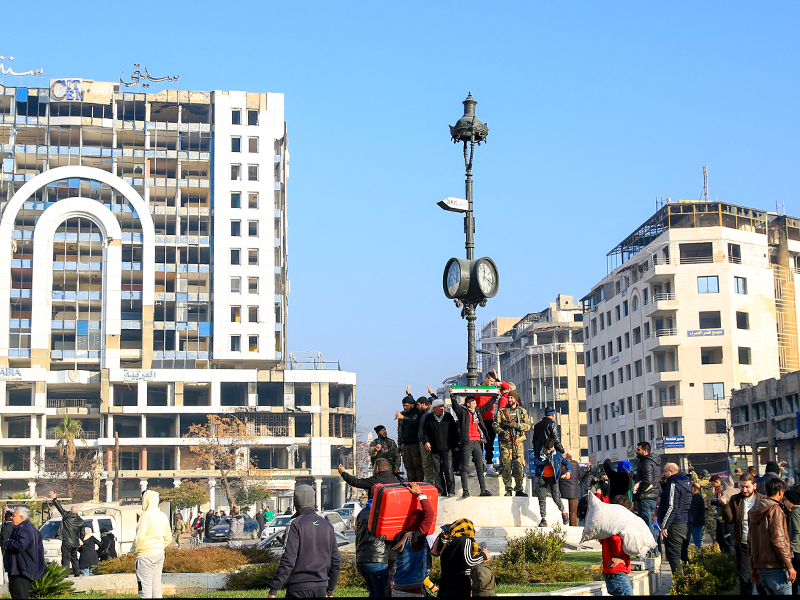
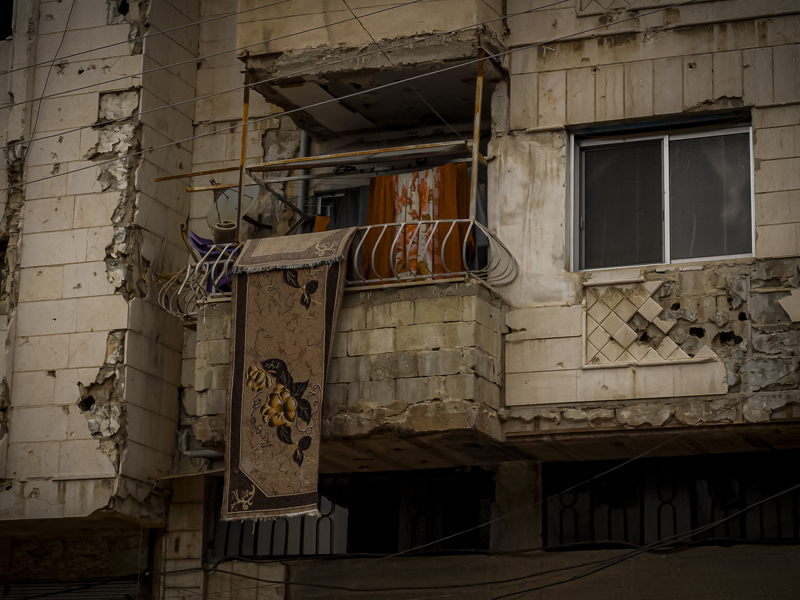
The neighborhoods of Homs, once vibrant and rich with history, have
turned over the past years into silent witnesses of immense human suffering.
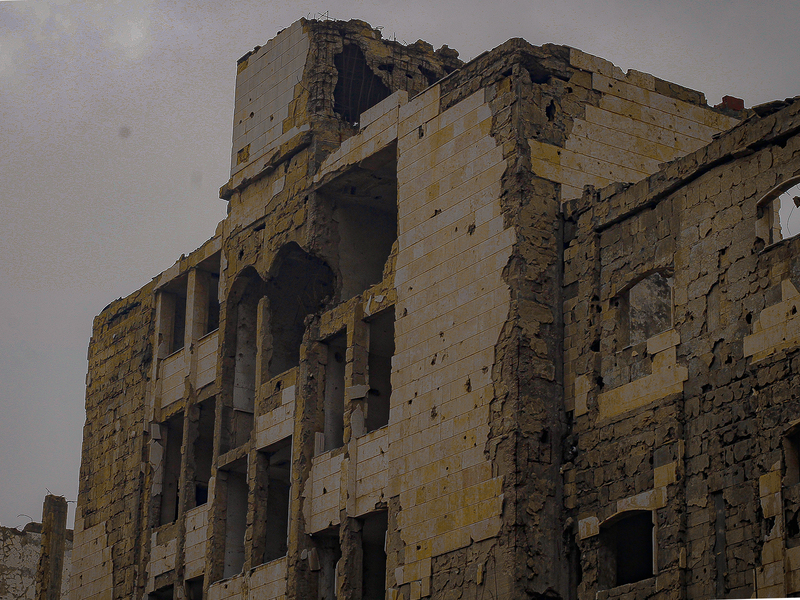
Rubble fills every corner, telling stories of shattered homes, halted lives,
and dreams that vanished. Yet, following the fall of the Assad regime,
the city has begun—slowly but steadily—to breathe again.
Entire Districts Reduced to Ruins
Homs suffered massive destruction, especially in its old
quarters that were besieged by regime forces until 2014, including Al‑Hamidiyah
and Bustan Al‑Diwan, as well as the iconic covered
market. Other neighborhoods such as Al‑Khaldiyeh,
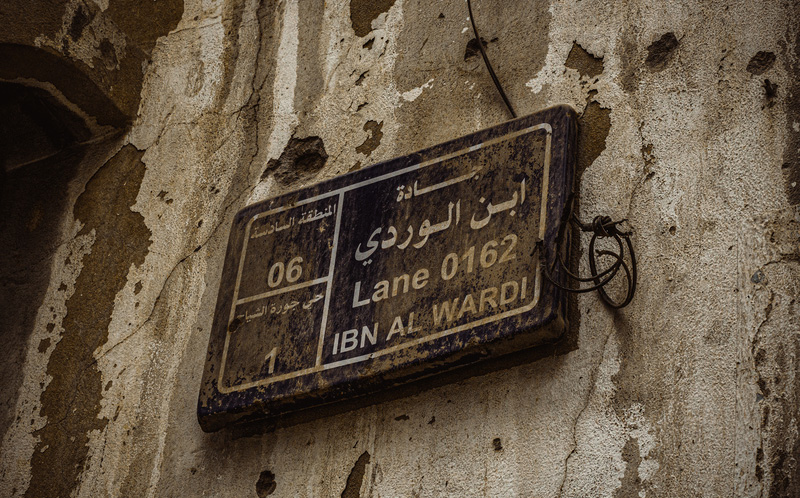
Baba Amr, Bab Tadmor, Al‑Qusour, Al‑Qarabis, Al‑Bayyada, and Joret Al‑Shayyah
were heavily bombed, leaving behind vast fields of rubble.
Mohammad Al‑Khatib… Returning to a Home Without a Roof
After the regime’s fall, Mohammad Al‑Khatib
returned to his hometown and walked through its devastated streets until he
reached his family home in Al‑Khaldiyeh. He told Al‑Araby Al‑Jadeed: “As you walk
through Al‑Khaldiyeh, you see buildings destroyed and others barely standing.
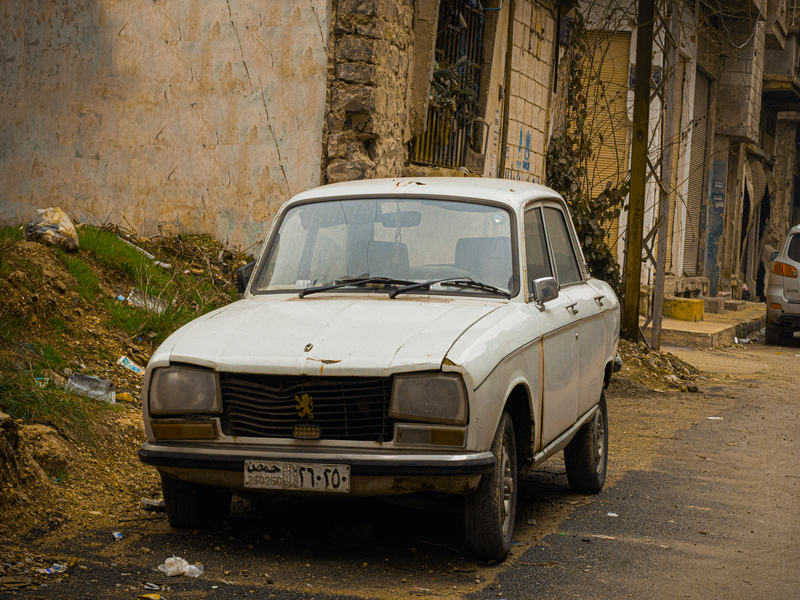
Some streets look like a ghost town suddenly brought back to life. The joy of
returning outweighs the pain of seeing our home in ruins.”
Mohammad had been displaced to northern Syria, while his
family now lives in Damascus and has no immediate plans to return. He inspected
the house to begin repairing it.
Al‑Sittin Street… A Witness to Destruction
Another resident, Obaida Al‑Abdullah, recalls his life in Al‑Sittin
Street: “The street witnessed years of destruction. It runs between Al‑Zahraa,
a pro‑regime neighborhood, and A’sheera, which saw major protests. It became a
hotspot for demonstrations and brutal repression.”
Originally from rural Deir Ezzor, Obaida moved to Homs—known
then as “the poor man’s city”—and built a home where he lived in stability
before being displaced. He says: “My nephew sent me photos of my house—now just rubble. They stole
the iron, ripped out the tiles and electrical cables. We’re waiting for
stability to return so we can rebuild. We’re tired of displacement.”
UN Figures Reveal the Scale of Destruction
According to a 2019 UN report, Homs witnessed:
3,082 completely destroyed buildings
Over 5,750 severely damaged buildings
More than 5,000 partially damaged buildings
Neighborhoods like Joret Al‑Shayyah and Wadi Al‑Sayeh suffered such
extensive destruction that returning to them remains extremely difficult.
A City Rising From the Rubble
Despite the devastation, the gradual return of residents, the reopening of shops, and the beginning of reconstruction efforts all signal that Homs is slowly reclaiming life. A city that paid a heavy price is now trying to write a new chapter—one that says: “Life returns, no matter how long the darkness lasts.”

Leave a Reply
Your email address will not be published. Required fields are marked *
Search
Category